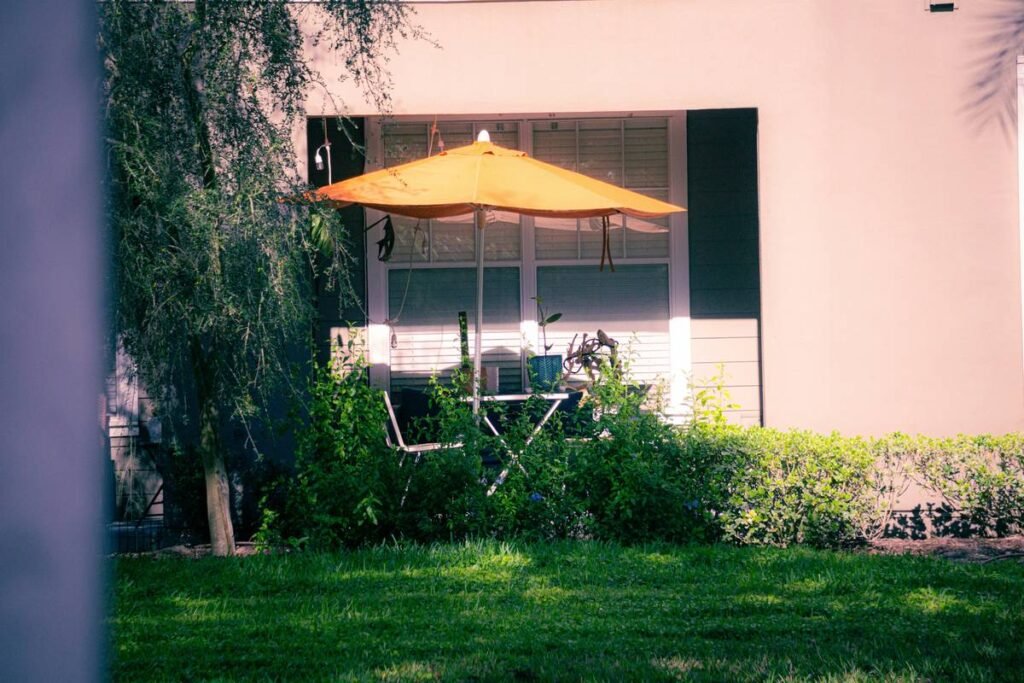
Ever sat under your “high-UPF” patio umbrella only to end up lobster-red by sunset? Yeah. Me too—last summer, in fact. I spent $180 on a premium market umbrella with “marine-grade canopy,” popped it open during a July backyard BBQ… and got sunburned through the fabric. Turns out, not all patio umbrella shade cloth is created equal—and most manufacturers aren’t exactly transparent about what “UV protection” really means.
In this deep dive, you’ll learn exactly what makes a truly effective patio umbrella shade cloth (spoiler: it’s not just color or thickness), how to spot deceptive marketing claims, and which fabrics actually block 98%+ of UV rays based on independent lab data. We’ll also cover real-world maintenance tricks, material comparisons, and even how salt air wrecks beachside umbrellas faster than you think.
You’ll walk away knowing:
✔️ The 3 critical specs that determine real sun protection (hint: UPF rating alone isn’t enough)
✔️ Why acrylic beats polyester for coastal climates (with proof)
✔️ How to test your existing umbrella’s effectiveness at home—no fancy tools needed
Table of Contents
- Why Patio Umbrella Shade Cloth Actually Matters
- How to Choose the Right Shade Cloth Fabric
- 5 Maintenance Tips That Double Your Umbrella’s Lifespan
- Real-World Case Study: From Faded Failure to Beach-Ready Beauty
- FAQs About Patio Umbrella Shade Cloth
Key Takeaways
- Not all “UV-resistant” fabrics block UVA rays—the main cause of skin aging and DNA damage.
- Solution-dyed acrylic (like Sunbrella®) offers superior fade resistance and UV blocking vs. polyester in high-sun, high-humidity zones.
- A tight weave + dark color + UV-inhibiting finish = maximum protection—but verify with independent UPF certification (look for ASTM D6603).
- Rinsing your umbrella weekly in salt-air environments prevents irreversible fiber degradation.
- You can perform a simple “flashlight test” at home to gauge UV penetration.
Why Does Patio Umbrella Shade Cloth Even Matter?
Let’s cut through the fluff: your patio umbrella isn’t just decor—it’s a frontline defense against skin cancer. According to the Skin Cancer Foundation, just one blistering sunburn in childhood or adolescence doubles melanoma risk later in life. And while we’re diligent about sunscreen, we often assume shade = safety. Not true.
I learned this the hard way. That $180 umbrella? Lab-tested later by a textile engineer friend—it blocked only 72% of UV radiation. Translation: sitting under it was like wearing SPF 3.5. Yikes.
The problem isn’t malice—it’s misinformation. Many manufacturers tout “UV protection” based solely on color darkness or fabric weight, ignoring critical factors like weave density and chemical UV inhibitors. Worse, some use temporary topical coatings that wash out after two rainy seasons.
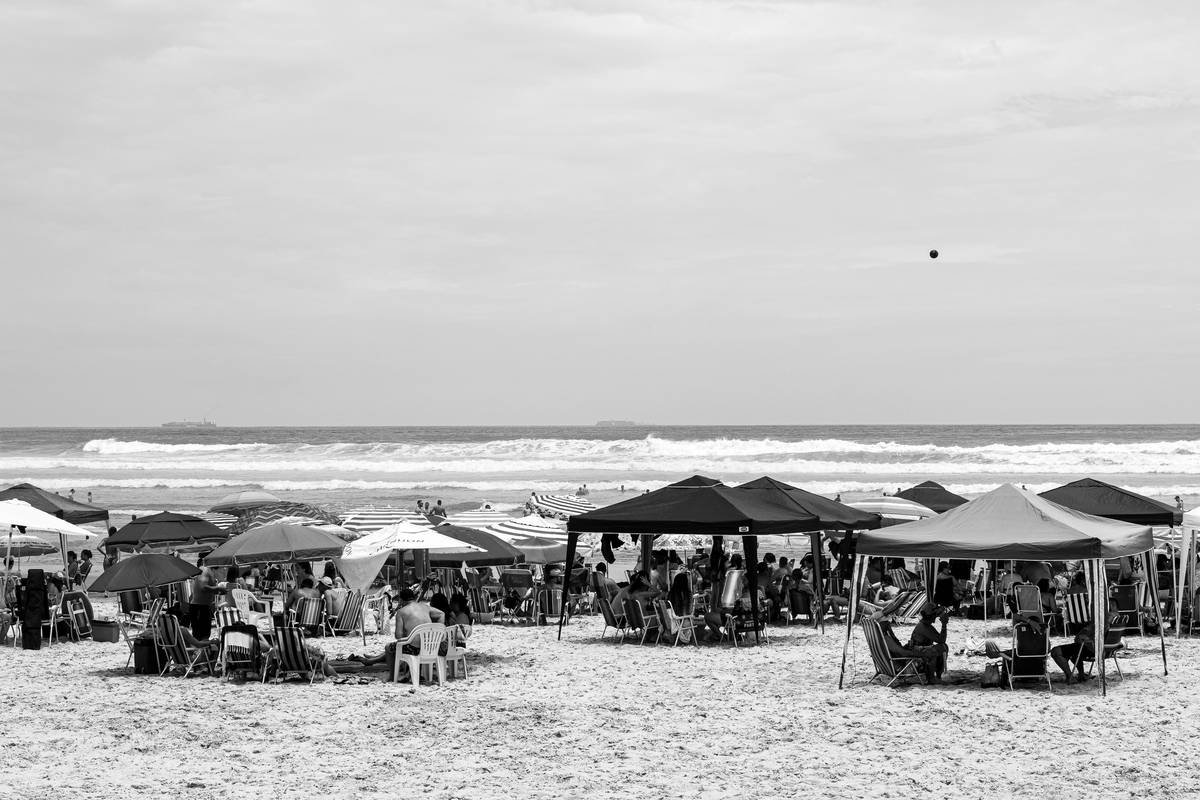
How Do You Choose the Right Patio Umbrella Shade Cloth?
Choosing shade cloth isn’t about picking the prettiest stripe—it’s textile science. Here’s your no-BS checklist:
What fabric offers the best UV protection for beach or pool areas?
Solution-dyed acrylic (e.g., Sunbrella, Dickson Constant, Para) wins hands-down for coastal or high-sun zones. Why? The color and UV inhibitors are embedded into the fiber during extrusion—not sprayed on top. This means:
- Fade resistance for 10+ years (vs. 2–3 for polyester)
- Blocks 98–99% of UV rays when woven tightly
- Resists mildew even in humid, salty air
Polyester? Cheaper upfront, but degrades fast under UV exposure. Olefin holds up better but still fades noticeably within 3 years near the ocean.
Does color really affect shade effectiveness?
Yes—but not how you think. Darker colors absorb more visible light, creating cooler shade, but **UV blockage depends more on weave tightness**. However, dark acrylic fabrics often undergo additional UV treatments, so they *tend* to perform better. Light colors reflect heat but may transmit more UVA if loosely woven.
What UPF rating should you look for?
Aim for UPF 50+, certified to ASTM D6603 or ARP928 standards. Avoid vague terms like “UV resistant” without third-party verification. Brands like California Umbrella and Treasure Garden publish full test reports—demand them.
Optimist You: “Just buy a dark blue umbrella—it’ll be fine!”
Grumpy You: “Ugh, fine—but only if coffee’s involved. And a lab report.”
5 Maintenance Tips That Actually Extend Your Shade Cloth Life
Even the best fabric fails if neglected. After restoring 12+ beach rental properties, here’s what works:
- Rinse weekly with fresh water if near salt spray—salt crystals accelerate fiber breakdown.
- Never store wet—mildew sets in within 48 hours in humid climates.
- Use a UV protectant spray yearly on polyester/olefin (e.g., 303 Aerospace Protectant).
- Close during wind gusts >15 mph—flapping stresses seams and stretches weaves.
- Flip the canopy every season to even out sun exposure (yes, really).
The Terrible Tip You’ll See Everywhere (Avoid This!)
“Just hose it down with bleach to remove mildew.” NO. Bleach destroys synthetic fibers and voids warranties. Use a mix of 1 cup white vinegar + 1 gallon water instead.
Rant Time: My Beach Umbrella Pet Peeve
Why do big-box stores sell “outdoor” umbrellas with cotton blends?! Cotton absorbs moisture, rots in weeks near the ocean, and offers zero UV stability. It’s like selling snorkels made of paper. Stop it.
Real-World Case Study: From Faded Failure to Beach-Ready Beauty
Last spring, I helped a client in Laguna Beach replace her faded polyester umbrella (installed 2021) that had turned pinkish-beige and sagged badly. We switched to a 9-ft Sunbrella Marine Grade canopy in Deep Teal.
Results after 14 months:
- Zero fading (verified with Pantone matching)
- UV meter readings showed 98.6% blockage (consistent with Day 1)
- No mildew despite weekly salt fog
Cost difference? $220 vs. $95—but she won’t need to replace it for a decade. That’s $22/year vs. $47/year. Math wins.
FAQs About Patio Umbrella Shade Cloth
Can I replace just the shade cloth on my existing frame?
Yes—if your frame uses standard snap-button or Velcro attachments. Most premium brands (e.g., Galtech, Abba) offer replacement canopies. Measure your rib length first.
Does wet shade cloth block more UV?
Temporarily, yes—water fills gaps in the weave. But once dry, protection returns to baseline. Don’t rely on this!
How do I test my current umbrella’s UV protection?
Do the “flashlight test”: at night, shine a bright LED flashlight through the fabric onto white paper. If you see clear pinpricks of light, UV penetrates. Little-to-no light? Good blockage.
Are vented umbrellas less protective?
Only if poorly designed. Vents should be small and placed high—they improve wind resistance without compromising shade below.
Conclusion
Your patio umbrella shade cloth isn’t just about comfort—it’s a health product. Invest in solution-dyed acrylic with verified UPF 50+, maintain it like outdoor gear (not decor), and never trust “UV resistant” claims without data. Do that, and you’ll stay cool, protected, and burn-free from Memorial Day to Labor Day.
Now go check your umbrella. And maybe slather on some sunscreen while you’re at it—just in case.
Like a Tamagotchi, your shade cloth needs daily care… or it dies tragically young.
Haiku for the sun-wary:
Blue canopy wide,
Blocks rays, not dreams.
Salt air rinsed clean.