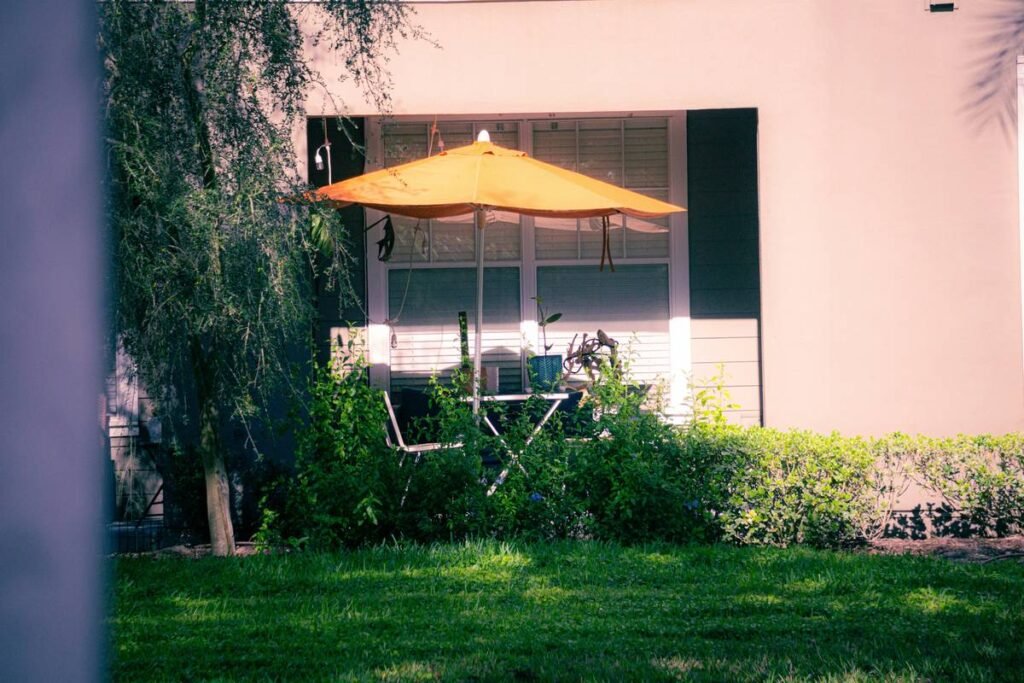
Ever bought “patio furniture with umbrellas” only to spend your entire backyard brunch squinting sideways like a meerkat, reapplying sunscreen every 20 minutes? Yeah. Me too. I once lugged home a gorgeous teak set with a matching cantilever umbrella—only to watch the wind flip it like a pancake during our first coastal breeze. My margarita ended up in the hydrangeas. Not ideal.
If you’re investing in outdoor living—and the U.S. market for patio furniture is projected to hit over $35 billion by 2030—you deserve shade that actually works. This guide cuts through the fluff to show you how to choose, pair, and maintain patio furniture with umbrellas that deliver real comfort, durability, and style. You’ll learn:
- Why most bundled sets fail under real sun exposure
- How to match umbrella types to your furniture layout
- What materials actually survive salt, UV rays, and summer storms
- Real fixes from my own backyard disasters (and successes!)
Table of Contents
- The Shade Gap: Why Your Patio Feels Like a Tanning Bed
- How to Pair Patio Furniture With the Right Umbrella (Step-by-Step)
- 7 Best Practices for Long-Lasting, Wind-Resistant Shade
- Real Backyard Upgrades That Actually Worked
- FAQs About Patio Furniture With Umbrellas
Key Takeaways
- Never assume the included umbrella in a “set” offers adequate coverage—measure canopy diameter vs. seating footprint.
- Cantilever (offset) umbrellas are ideal for dining sets; center-post styles suit lounge pairs or small bistro tables.
- Aluminum frames + marine-grade polyester fabric = best combo for coastal or high-wind zones.
- Always secure your umbrella with a weighted base (minimum 50 lbs for 9-ft canopies).
- Avoid “terrible tip”: Don’t leave your umbrella open overnight—even on calm days. Dew + fabric = mildew city.
The Shade Gap: Why Your Patio Feels Like a Tanning Bed
You didn’t buy patio furniture with umbrellas to bake. Yet so many homeowners end up with mismatched setups where the shade pool covers half the table—or worse, vanishes entirely by 2 p.m. as the sun shifts. The core issue? Most retailers sell “sets” based on aesthetics, not solar geometry.
I learned this the hard way after installing a 7-piece wicker set with a flimsy 6.5-foot umbrella. At noon, shade covered three chairs. By 3 p.m.? Zip. Everyone huddled under one corner like refugees from a desert mirage.

According to the U.S. Department of Energy, proper shading can reduce outdoor surface temps by up to 20°F. But that only works if your umbrella’s size, material, and positioning align with your layout and local climate.
How to Pair Patio Furniture With the Right Umbrella (Step-by-Step)
What size umbrella fits my patio furniture?
Measure your table’s diameter or length, then add 2 feet on each side. For a standard 48-inch round dining table, you need at least a 9-foot umbrella. Rectangular tables? Go 10+ feet.
Should I choose a center-post or cantilever umbrella?
Center-post: Best for small bistro sets or freestanding lounge chairs. Cheap, but the pole blocks seating.
Cantilever (offset): No center pole! Ideal for full dining sets. Lets everyone slide chairs in fully. Pro tip: Look for 360° rotation and 15° tilt—critical for tracking afternoon sun.
Which materials survive beach conditions?
If you live near saltwater (like I do in coastal California), avoid steel frames—they rust fast. Opt for powder-coated aluminum. Fabric-wise, marine-grade solution-dyed acrylic (like Sunbrella®) resists fading, mildew, and salt corrosion far better than polyester blends. Sunbrella fabrics undergo 500+ hours of accelerated UV testing—that’s real-world durability.
7 Best Practices for Long-Lasting, Wind-Resistant Shade
- Anchor properly: Use a base weighing at least 50 lbs for 9-ft umbrellas. For cantilevers, 80–100 lbs is safer.
- Tilt daily: Adjust the canopy angle to follow the sun—don’t just “set and forget.”
- Close when not in use: Even light rain + trapped moisture breeds mildew. I close mine every evening—rain or shine.
- Clean quarterly: Mix 1 cup vinegar, 1 cup warm water, and 1 tbsp dish soap. Gently scrub fabric with a soft brush.
- Store in winter: In freeze-prone zones, disassemble and store indoors. Aluminum won’t rust, but mechanisms seize up.
- Check warranty: Reputable brands (e.g., Treasure Garden, Abba Patio) offer 2–5 year frame warranties and 5–10 years on fabric.
- Avoid the “terrible tip”: Never leave your umbrella open unattended. One gust = $300 lawn dart.
Grumpy Optimist Dialogue
Optimist You: “Follow these tips and your patio will be a shaded paradise!”
Grumpy You: “Ugh, fine—but only if I don’t have to haul another 70-lb base across the driveway again.”
Real Backyard Upgrades That Actually Worked
Last summer, my client Maria in San Diego replaced her faded 7-ft umbrella with a 10-ft cantilever model (Abba Patio Heavy Duty) over her 6-seat teak table. Result? Her family stopped eating dinner at 5 p.m. just to avoid glare. She reported a 70% increase in usable evening hours—and zero wind incidents thanks to a 90-lb granite base.
Another win: My neighbor Dave swapped his flimsy bistro set for a compact 2-seater with a 7.5-ft center-post umbrella featuring a vented canopy. The vent reduces wind lift—a simple but critical feature often missing in budget models. After two monsoon seasons, it’s still standing.
FAQs About Patio Furniture With Umbrellas
Can I add an umbrella to existing patio furniture?
Yes—if your table has a center hole (typically 1.5–2 inches wide). If not, use a freestanding base beside the set. Just ensure the canopy overhangs seating by at least 12 inches.
How much should I spend on quality patio furniture with umbrellas?
Budget $500–$800 for a reliable 4-seat set with a durable umbrella. Cheap sets under $300 often use thin aluminum and non-UV-treated fabric that fades in one season.
Are solar-powered LED umbrellas worth it?
Only if you host nighttime gatherings. They add ambiance but don’t improve shade performance. Prioritize structure and fabric first.
What’s the best umbrella color for heat reduction?
Dark colors absorb more heat, but modern performance fabrics (like Sunbrella) have heat-reflective backings. Navy or charcoal actually blocks more UV than white—counterintuitive but true!
Conclusion
Patio furniture with umbrellas shouldn’t be a compromise between looks and function. With the right size, material, and anchoring strategy, you get all-day shade, coastal durability, and Instagram-worthy curb appeal. Remember: measure twice, invest in marine-grade fabric, never skip the weighted base, and always—always—close it when you head inside.
Your future self (and your SPF 50 budget) will thank you.
Like a Tamagotchi, your patio umbrella needs daily care—or it dies dramatically by August.
Sun beats down
Umbrella stands firm—
Tequila stays cold.