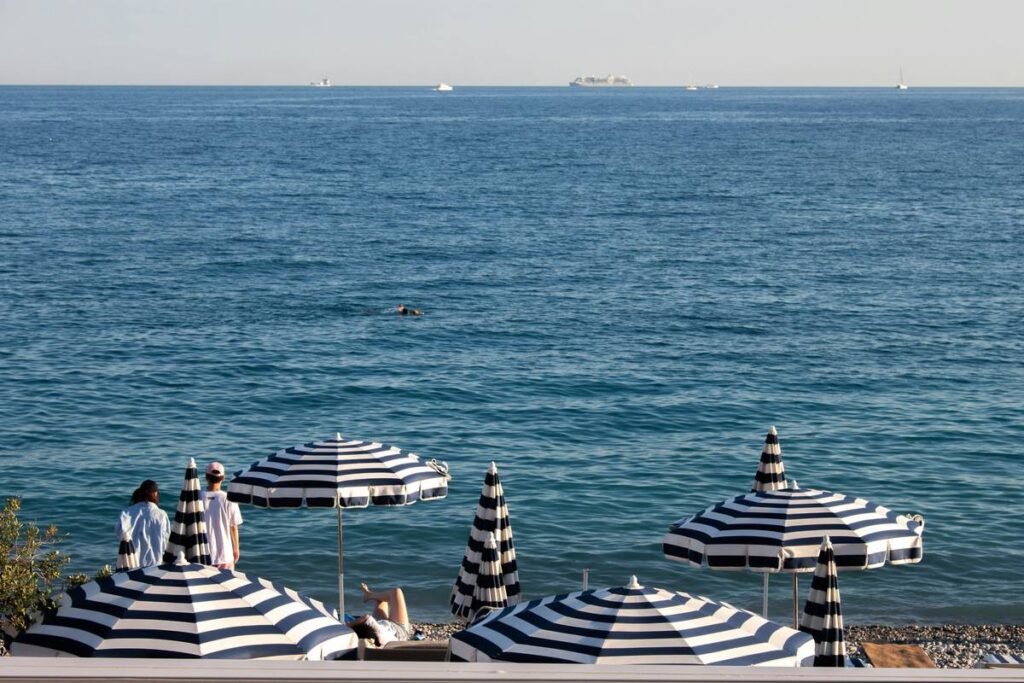
You bought a beach umbrella to stay dry in sudden downpours. But when the rain hits, water beads up—then soaks right through. Frustrating? Absolutely. And it’s not your fault. Most people assume “umbrella = waterproof.” That assumption gets you soaked. The real solution isn’t buying just any beach shade—it’s knowing exactly what materials and coatings actually repel water.
Why Most Beach Umbrellas Fail the Waterproof Test
Beach umbrellas are built for sun—not storms. Their fabric is often polyester or olefin, chosen for UV resistance and fade protection, not hydrophobic performance. And here’s the kicker: even if labeled “water-resistant,” that doesn’t mean waterproof. Water-resistant fabrics slow absorption. Waterproof ones block it entirely—through lamination, coating, or weave density. Most mass-market models skip those costly steps.
Think about it. A $30 umbrella from a big-box store? It’s designed to collapse in 15 mph winds—let alone shed a summer shower. Rain pools on the canopy, weight builds, and gravity does the rest. You’re not under shelter. You’re under a leaky tarp.
Are Umbrellas Waterproof? How to Choose One That Actually Works
Check the Fabric Type First
Not all synthetics are equal. Look for polyester with PU (polyurethane) backing or acrylic-coated canvas. These create a true moisture barrier. Olefin? Great for color retention—but terrible for rain unless specially treated.
Seams Matter More Than You Think
Even the best fabric fails if seams aren’t sealed. Stitched seams wick water like a sponge. Heat-taped or welded seams? They keep moisture out. Always verify construction details before buying.
Tilt Angle Isn’t Just for Sun—It’s for Drainage
A flat canopy holds water. A tilted one sheds it. Models with adjustable tilt mechanisms don’t just track the sun—they angle rain off before it penetrates.

| Fabric Type | Waterproof? | Typical Use Case | Price Range |
|---|---|---|---|
| Standard Polyester (no coating) | No | Basic sun shade only | $20–$40 |
| Polyester + PU Coating | Yes | Rain + sun protection | $60–$120 |
| Olefin (solution-dyed) | Water-resistant only | Coastal UV resistance | $50–$90 |
| Acrylic Canvas (coated) | Yes | Premium all-weather use | $100–$200+ |
The Industry Secret: “Waterproof” Is a Marketing Mirage
Here’s what manufacturers won’t tell you: no beach umbrella is truly 100% waterproof forever. UV exposure degrades coatings. Salt air eats sealants. Sand abrasion wears fibers thin. The real pro move? Treat your umbrella like outdoor gear—not disposable decor. Reapply a silicone-based water repellent spray every 6 months. It restores surface tension so rain beads and rolls off—instead of soaking in. This trick alone extends functional waterproofing by 2–3 seasons. Skip it, and even a $150 “all-weather” model turns into a drip pan by year two.
FAQ
Can a regular beach umbrella keep me dry in rain?
Generally, no. Most offer only water resistance—enough for light mist, not sustained rain. True waterproofing requires coated fabric and sealed seams.
How do I test if my umbrella is waterproof?
Spray it with a garden hose from above for 30 seconds. If water pools and drips underneath, it’s not waterproof—just water-resistant.
Are expensive beach umbrellas always waterproof?
Not necessarily. Price reflects durability and UV protection more than waterproofing. Always check for PU coating or acrylic treatment—regardless of cost.