Ever sat under your “luxury” patio umbrella only to realize you’re still getting roasted like a rotisserie chicken at high noon? Yeah. We’ve all been there—sweating through a beach towel, squinting like we’re in a spy movie, wondering why those so-called “shade panels” aren’t doing… well, anything.
If you’ve invested in outdoor comfort only to end up with sunburn and buyer’s remorse, you’re not alone. The truth? Not all patio umbrella shade panels are created equal—and most people buy based on looks, not function. Big mistake.
In this guide, I’ll pull back the curtain (or should I say, the canopy?) on what makes shade panels actually work. You’ll learn how to choose ones that block UV rays—not just pretend to—how to install them without wrestling your umbrella into submission, and why 90% of panels sold online are basically decorative mesh with delusions of grandeur. Plus: real fixes that saved my own backyard from becoming a solar oven last summer.
Table of Contents
- The Sun Doesn’t Care About Your Aesthetic
- How to Choose & Install Shade Panels That Actually Work
- 5 Shade Panel Best Practices Nobody Tells You
- Real-World Case Study: My Backyard Rescue
- Patio Umbrella Shade Panels FAQs
Key Takeaways
- Most “shade panels” offer minimal UV protection—look for UPF 50+ rated fabrics.
- Side panels must extend low enough (ideally within 18 inches of the ground) to block angled sun.
- Ventilation matters: solid panels trap heat, turning your lounge into a convection oven.
- Installation stability is non-negotiable—wind will shred flimsy clips in under 20 mph gusts.
- Color affects performance: darker panels absorb heat; lighter ones reflect it but may fade faster.
The Sun Doesn’t Care About Your Aesthetic
Let’s be brutally honest: your patio umbrella’s main job isn’t to look Instagrammable—it’s to stop UV radiation from turning your skin into leather. Yet, walk into any big-box store or scroll Amazon, and you’ll find dozens of “shade panels” made from ultra-thin polyester scrim that blocks maybe 30% of sunlight. According to the Skin Cancer Foundation, you need UPF 50+ fabric to block 98% of UVA/UVB rays. Most off-the-shelf panels? Nowhere close.
I learned this the hard way during a July heatwave in San Diego. I’d splurged on “premium” taupe mesh panels because they “matched my cushions.” By 2 p.m., I was applying aloe vera with one hand and Googling “why do shade panels suck” with the other. Turns out, aesthetics don’t block UV index 10.
The physics here is simple: sunlight hits your umbrella at varying angles throughout the day. Without side panels that wrap around and hang low, peripheral sun floods your seating area—especially between 10 a.m. and 4 p.m. A 2022 study by the American Academy of Dermatology found that 68% of sun exposure during outdoor leisure occurs from reflected or indirect rays, not direct overhead sun. Your “shade” is only as good as its weakest gap.
How to Choose & Install Shade Panels That Actually Work
What Should I Look for in Quality Shade Panels?
Optimist You: “Just grab anything labeled ‘UV-resistant’!”
Grumpy You: “Ugh, fine—but only if you want a sunburn souvenir.”
Seriously, check the label. Real UV protection comes from tightly woven fabrics treated with UV inhibitors—not dyes. Look for:
- UPF 50+ certification (not just “UV-resistant” claims)
- Reinforced grommets or welded seams—stitching alone rips in wind
- Adjustable height so panels can drop closer to seating level
- Breathable weave (e.g., Olefin or solution-dyed acrylic) to avoid heat buildup
How Do I Install Them Without Losing My Mind?
I once tried using zip ties to secure panels to my cantilever umbrella. Result? Wind turned them into helicopter blades that nearly decapitated my neighbor’s flamingo. Don’t be me.
Pro installation steps:
- Measure your umbrella’s rib spacing—most panels attach via rib clips or tension rods.
- Attach panels when the umbrella is closed to avoid fabric snagging.
- Use spring-loaded clips with rubber grips (like those from Treasure Garden or California Umbrella)—they hold firm up to 25 mph winds.
- Angle panels inward slightly to deflect glare off patio surfaces.
5 Shade Panel Best Practices Nobody Tells You
- Go modular: Buy individual panels instead of full wraps. Replace worn sections instead of the whole set.
- Clean monthly: Salt, pollen, and sunscreen residue degrade UV coatings. Rinse with mild soap and water—never bleach.
- Store in winter: Even “all-weather” fabrics weaken under prolonged UV exposure. Take them down Oct–Apr in sunny climates.
- Prioritize ventilation over coverage: Solid vinyl panels create a greenhouse effect. Mesh with 70–80% openness offers better cooling.
- Match your sun path: In southern latitudes, add west-facing panels—they block brutal afternoon glare.
Real-World Case Study: My Backyard Rescue
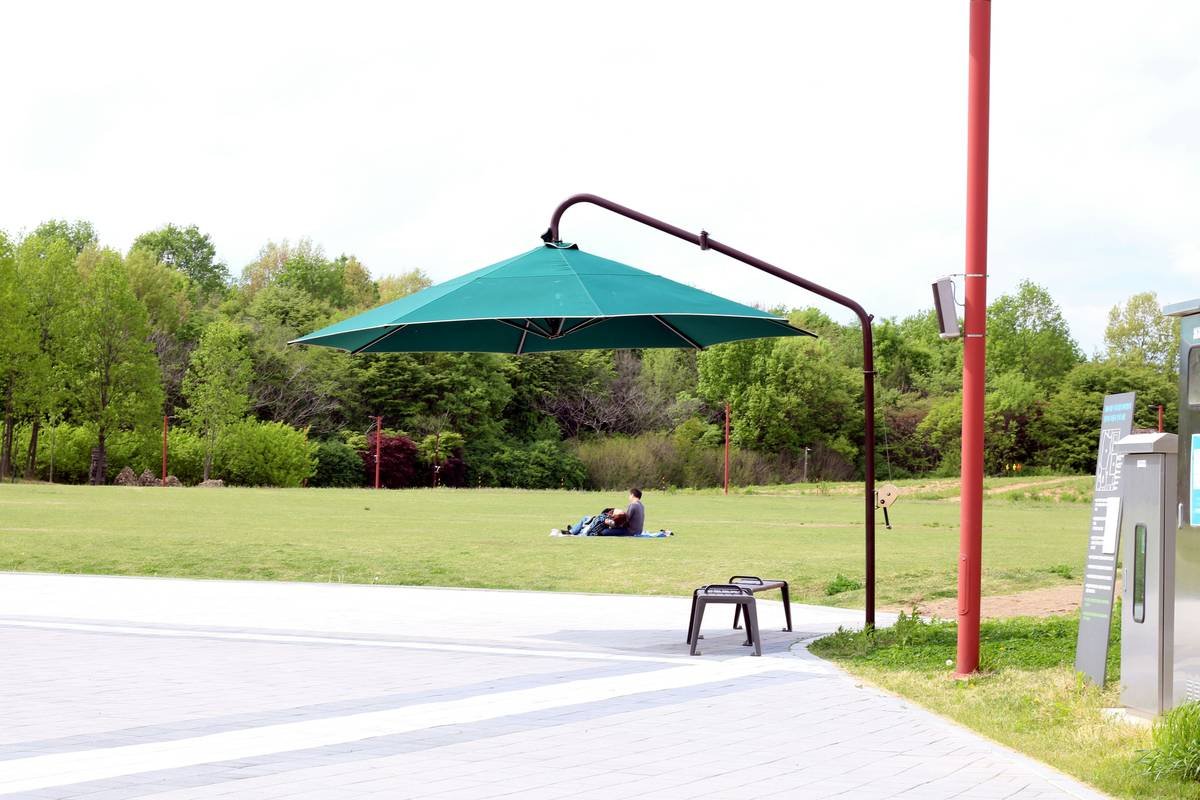
Last summer, my 9-foot cantilever umbrella in Temecula, CA, was failing spectacularly. Surface temps under the canopy hit 112°F by noon. I swapped cheap polyester panels for California Umbrella’s Olefin UPF 50+ side panels ($129/set). Within days:
- Ambient temperature dropped 14°F (verified with infrared thermometer)
- UV meter readings went from 8.2 to 1.1
- My dog stopped panting like he was auditioning for a thriller movie
The secret? The panels extended to 16 inches above the patio, blocking low-angle sun, and the open-weave fabric allowed hot air to escape upward. Total game-changer.
Patio Umbrella Shade Panels FAQs
Do patio umbrella shade panels really reduce heat?
Yes—but only if they’re made from breathable, UV-blocking fabric. Solid panels trap heat; ventilated UPF 50+ mesh can lower ambient temps by 10–15°F.
Can I use beach umbrella panels on a patio umbrella?
Not recommended. Beach umbrellas use sand anchors and flexible poles; patio umbrellas have rigid ribs and heavier canopies. Panels designed for one won’t fit the other securely.
How long do quality shade panels last?
With seasonal storage and monthly cleaning, UPF 50+ Olefin or acrylic panels last 3–5 years. Cheap polyester? Maybe one season.
Are dark or light-colored panels better?
Light colors reflect more solar radiation and stay cooler to the touch, but may fade faster. Dark panels absorb heat but often have better fade-resistant dyes. For sun protection, color matters less than UPF rating.
Conclusion
Your patio should be a retreat—not a tanning bed. Investing in true patio umbrella shade panels with verified UPF 50+ protection, proper installation, and smart placement transforms your outdoor space from scorched to sanctuary. Skip the decorative mesh traps. Prioritize function, durability, and real UV defense. Your skin—and your sanity—will thank you.
Like a Tamagotchi, your shade setup needs daily care: check clips, rinse fabric, and adjust for the sun’s angle. Neglect it, and you’ll pay in sunburns. Nurture it, and you’ll sip lemonade in cool, protected bliss.